The best WiFi routers depend on your home’s coverage needs, connected devices, internet plan, and whether you need a stationary or travel-ready setup. These picks range from basic dual-band home routers to WiFi 7 gaming models and portable travel routers, with key tradeoffs in bands, ports, and coverage.
Quick Top Products
TP-Link Archer BE600
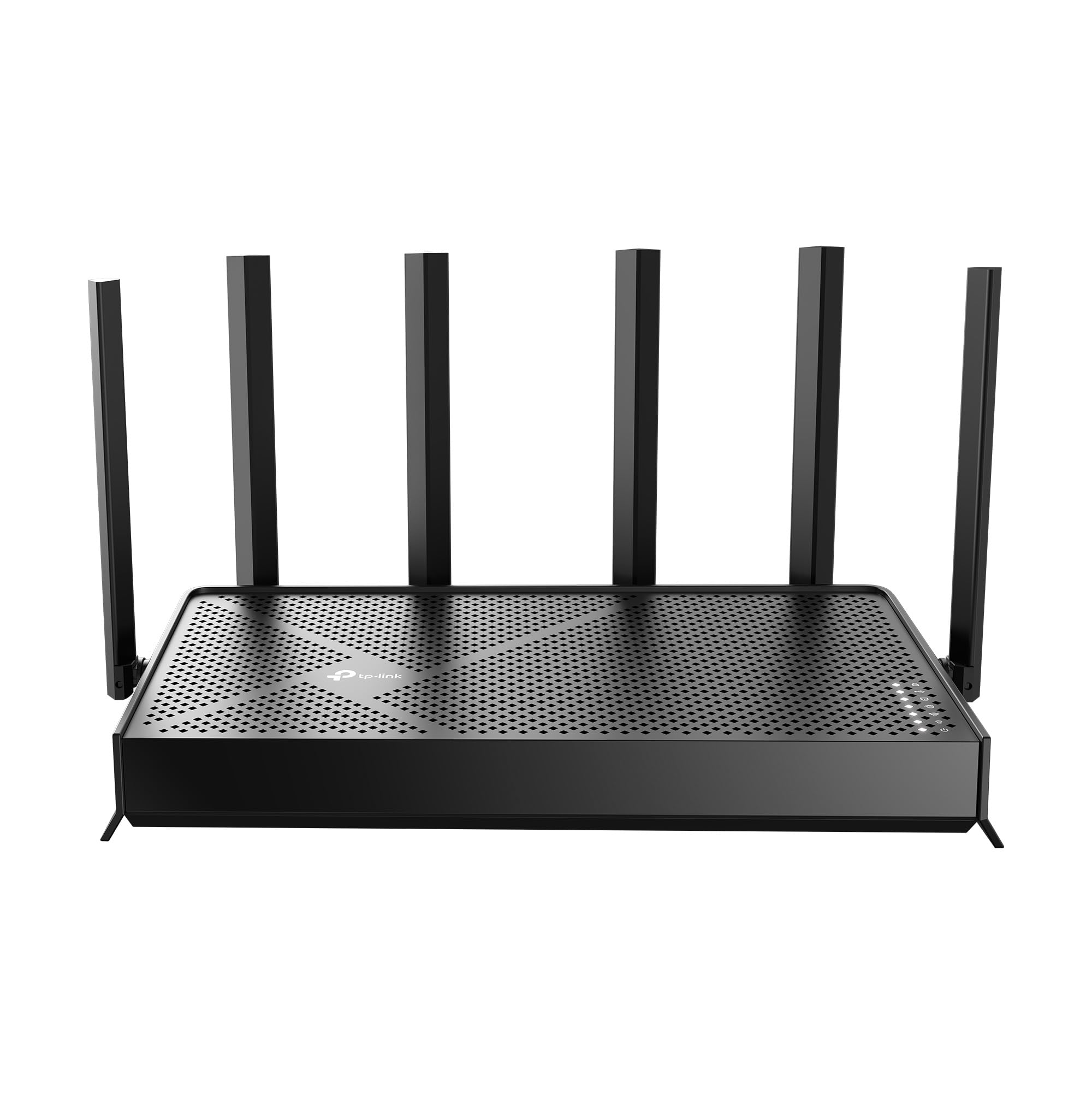
- Tri-band WiFi 7 supports up to 5,765 Mbps on 6 GHz, 2,882 Mbps on 5 GHz, and 1,032 Mbps on 2.4 GHz.
- Coverage is rated for up to 2,600 sq. ft. and 120 devices.
- It has a 10 Gbps port and three 2.5 Gbps LAN ports.
Best For: Larger homes with many devices and multi-gig wired equipment.

TP-Link Archer GE800
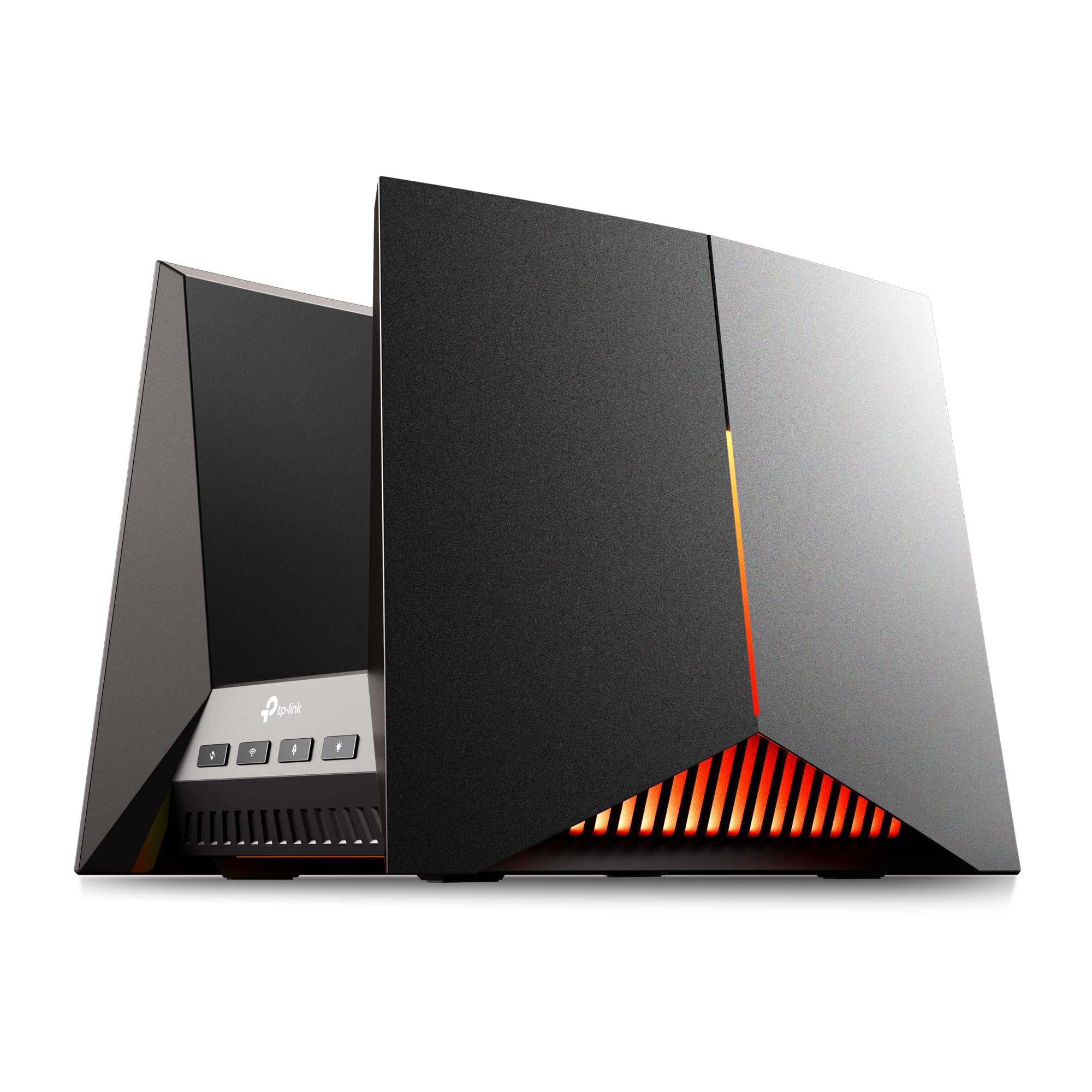
- Tri-band WiFi 7 supports up to 19 Gbps across 12 streams.
- Two 10 Gbps and four 2.5 Gbps ports provide several multi-gig wired connections.
- It includes a gaming port and real-time performance panel.
Best For: Gaming setups that need dedicated network controls and multiple 10 Gbps or 2.5 Gbps wired connections.
TP-Link Archer BE400
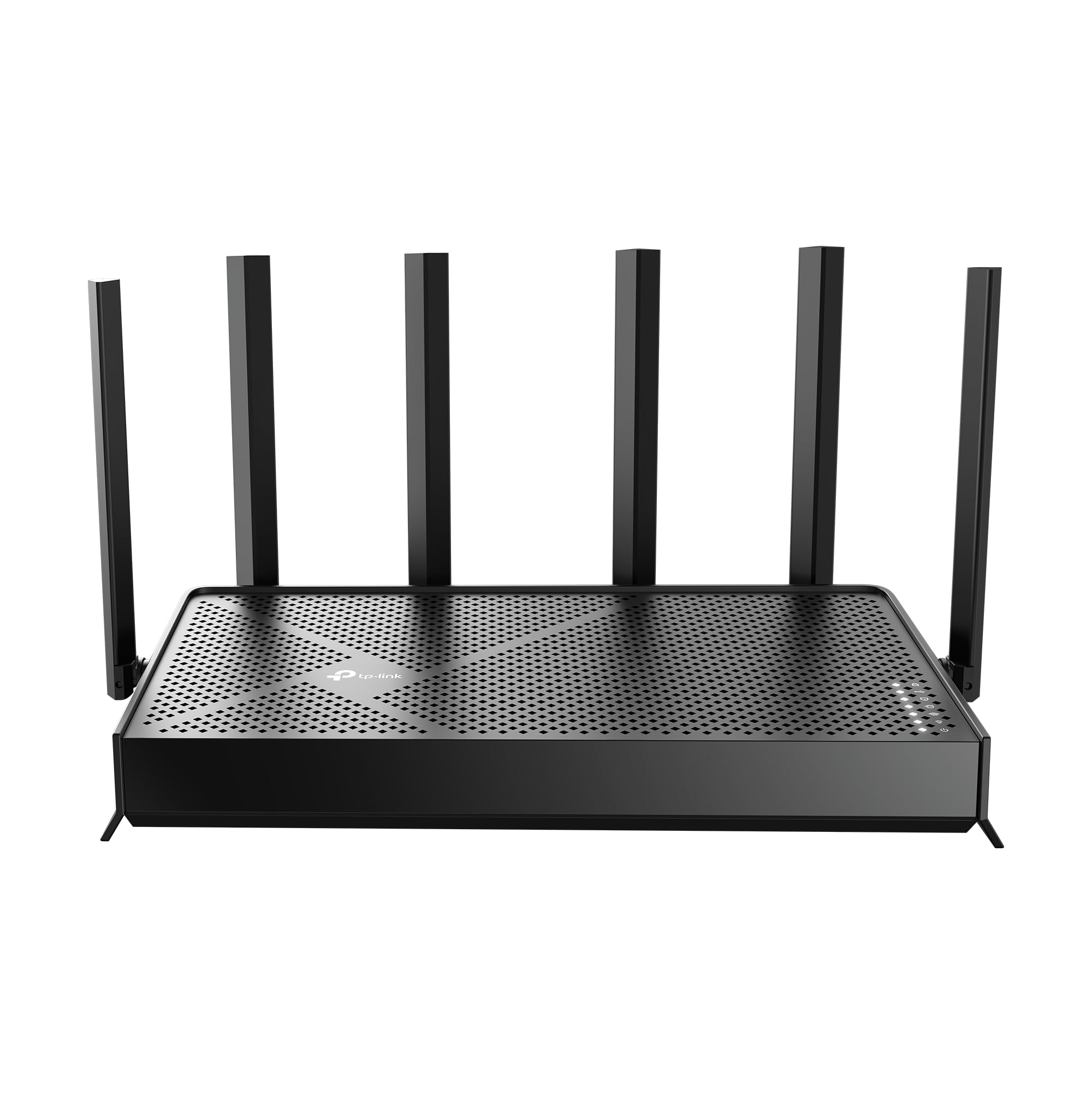
- Dual-band WiFi 7 supports up to 5,764 Mbps on 5 GHz and 688 Mbps on 2.4 GHz.
- It is rated for up to 2,400 sq. ft. and 90 devices.
- The port layout includes two 2.5 Gbps ports and three 1 Gbps LAN ports.
Best For: Households seeking WiFi 7, stated coverage for up to 90 devices, and dual 2.5 Gbps ports.
TP-Link Roam 7 BE3600
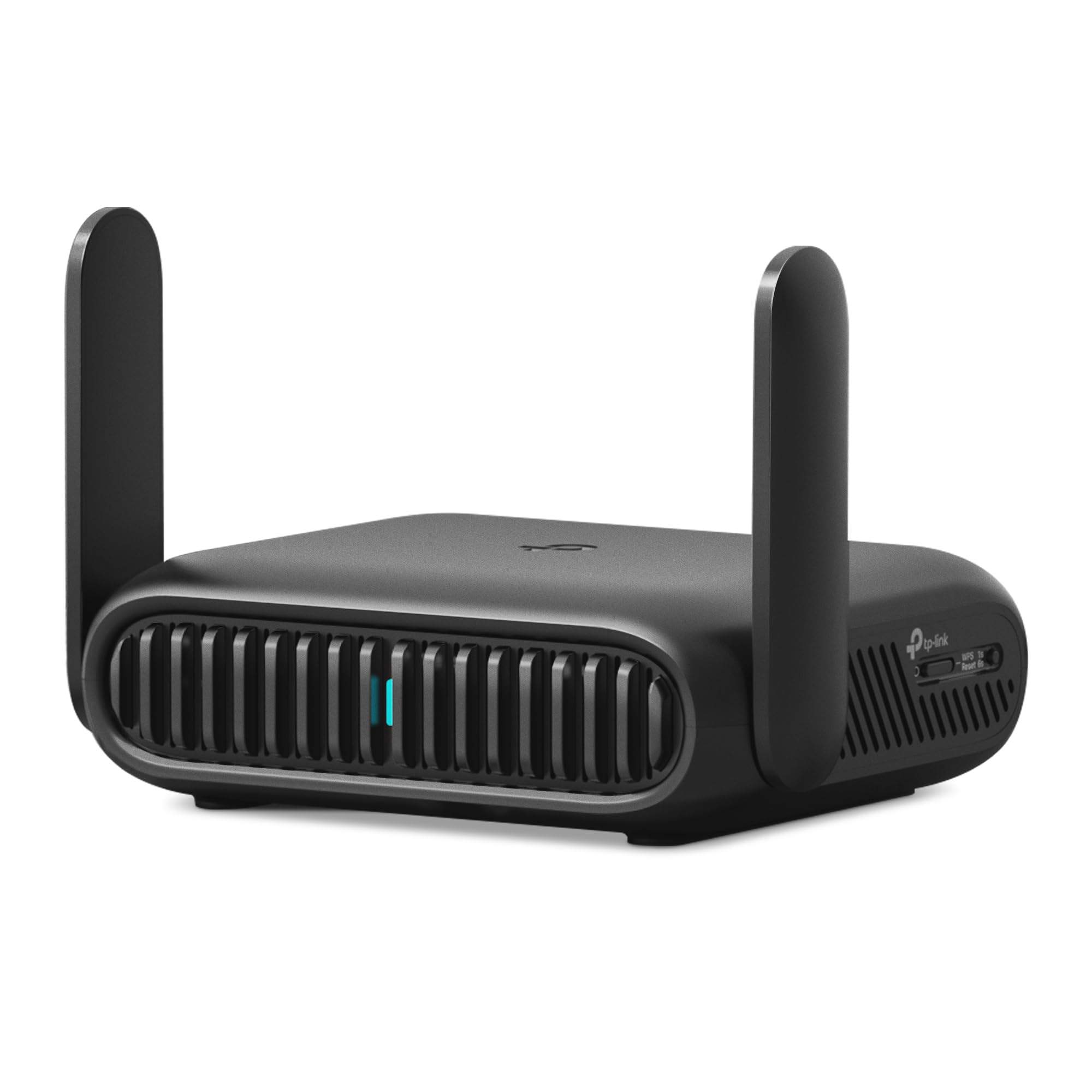
- Hotspot mode creates a private network from public WiFi.
- It supports OpenVPN and WireGuard.
- It can be powered through USB-C from the included adapter or a 5V PD source.
Best For: Travelers who want to share hotel or other public WiFi through a private network.
TP-Link Deco 7 BE23
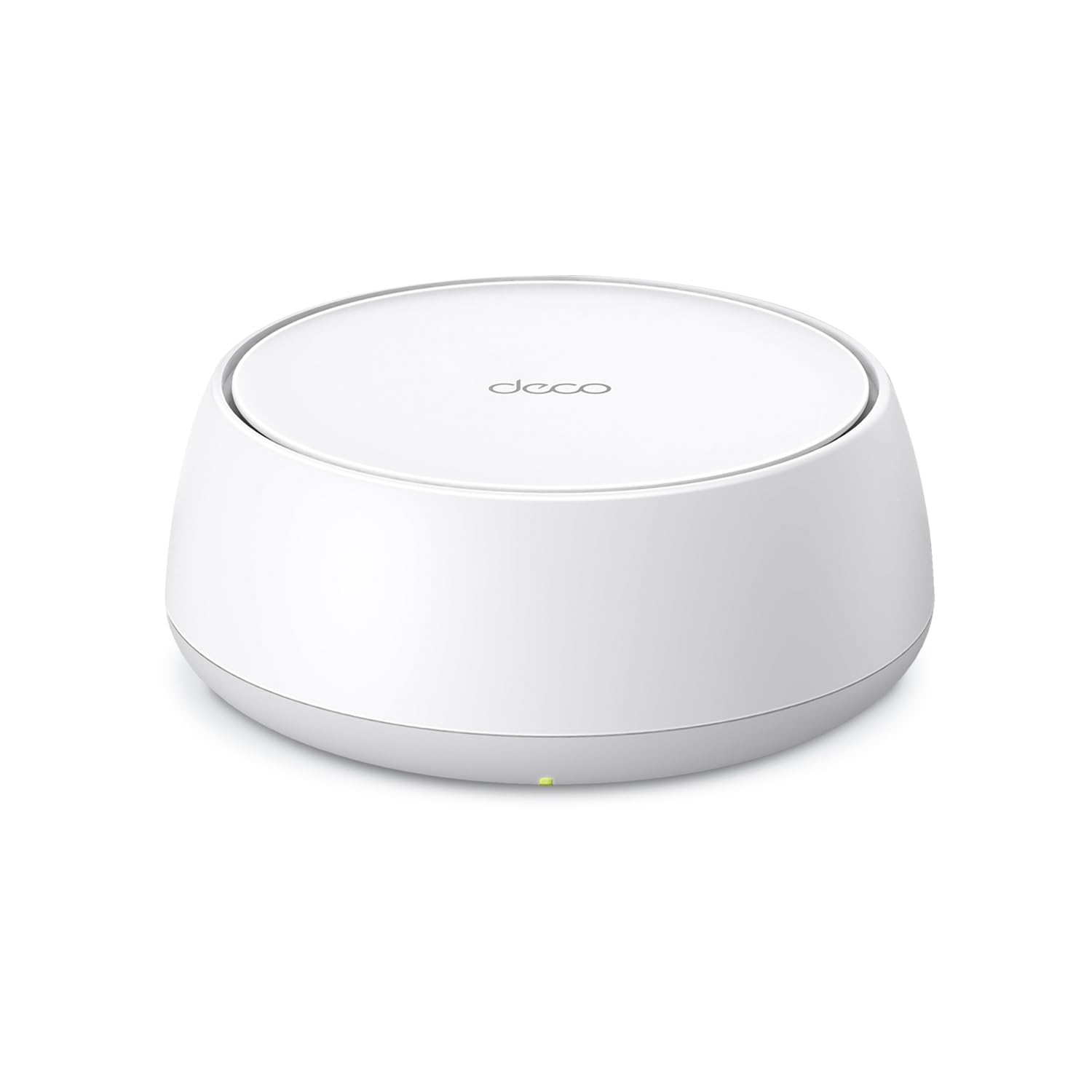
- This is a one-pack Deco WiFi 7 mesh unit.
- Coverage is rated for up to 2,500 sq. ft. and 150 devices for one pack.
- It has two 2.5 Gbps WAN/LAN ports and supports wired backhaul.
Best For: Buyers who prefer a Deco mesh system and want a single unit with WiFi 7 and wired backhaul ports.
Tenda RX12 Pro V3.0
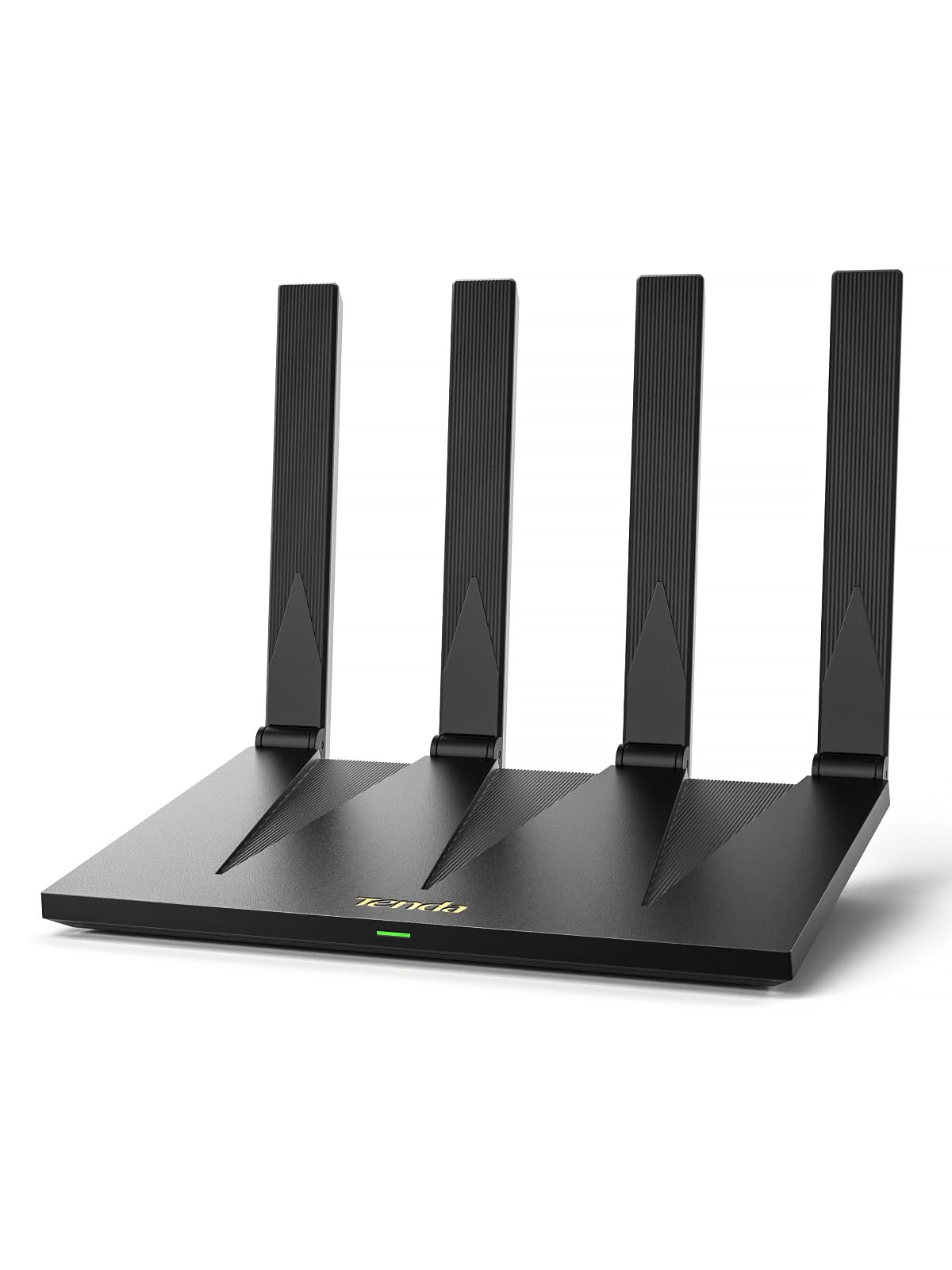
- WiFi 6 speeds are rated up to 2,402 Mbps on 5 GHz and 574 Mbps on 2.4 GHz.
- It includes four full Gigabit ports and supports EasyMesh.
- VPN support includes OpenVPN and WireGuard through the latest firmware update.
Best For: Home users who want WiFi 6, VPN options, NFC sharing, and an IoT network at a moderate tier.
Tenda AC6 AC1200
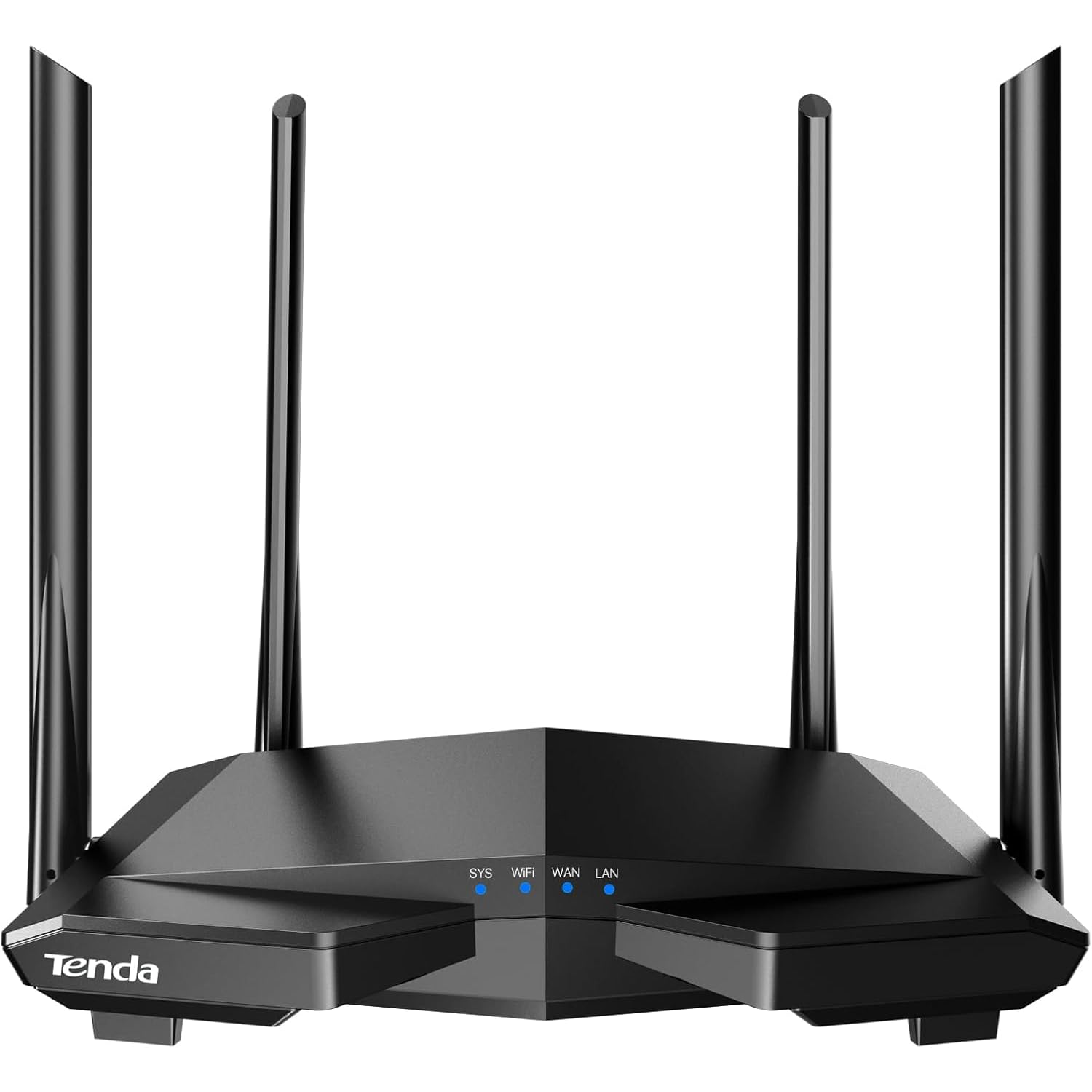
- Dual-band WiFi supports up to 867 Mbps on 5 GHz and 300 Mbps on 2.4 GHz.
- The Tenda app supports setup and network monitoring.
- Access point mode can turn a wired connection into WiFi.
Best For: Budget-conscious homes that need a basic dual-band router with app management and parental controls.
TP-Link Roam 6 AX1500
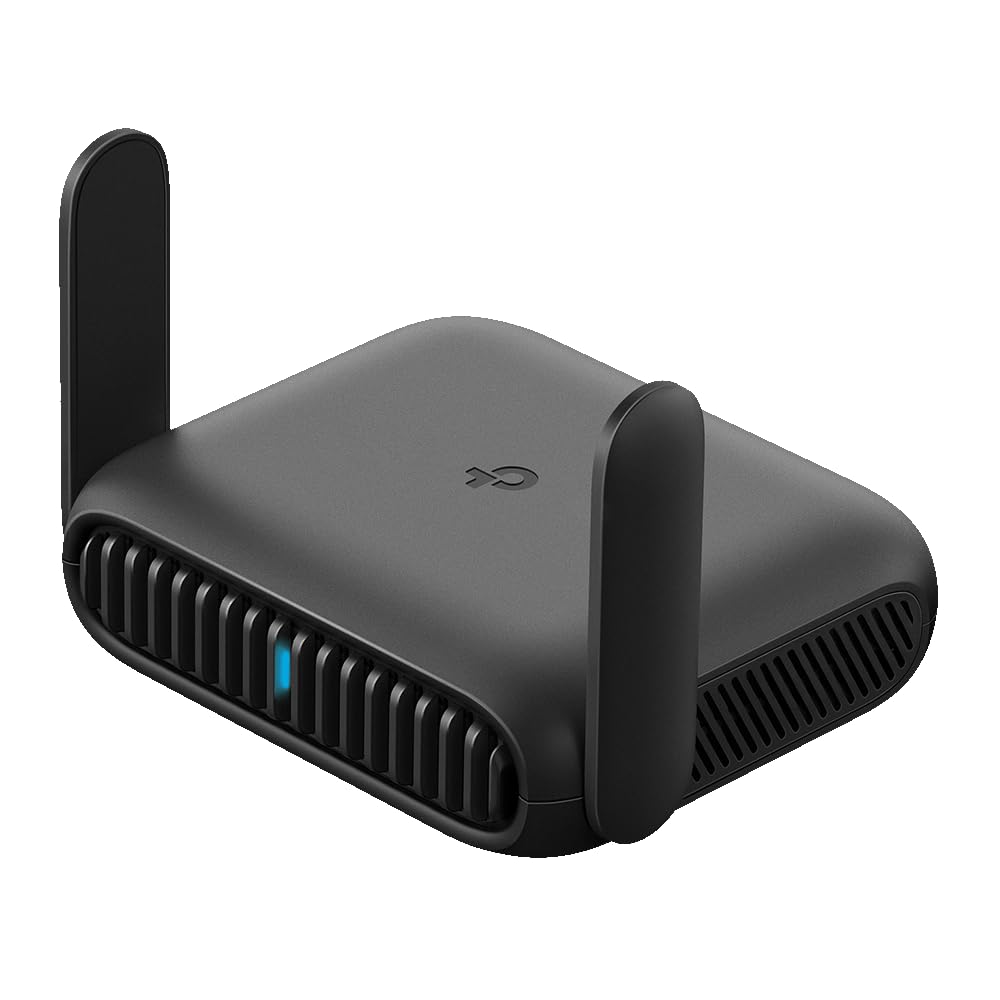
- WiFi 6 speeds are up to 1,201 Mbps on 5 GHz and 300 Mbps on 2.4 GHz.
- It supports OpenVPN and WireGuard.
- It can be powered through USB-C with the included adapter or a 5V/3A PD source.
Best For: Travelers seeking a compact travel router with captive portal handling and USB-C power.
Large-Home Tri-Band Coverage
TP-Link Tri-Band BE9700 WiFi 7 Router (Archer BE600) – 10G Port, 2.5G Port, 3× 2.5G LAN, 320MHz Channel, Covers up to 2,600 sq. ft., 120 Devices, VPN, HomeShield Security
The Archer BE600 pairs tri-band WiFi 7 with coverage rated for up to 2,600 sq. ft. and up to 120 devices. Its 10 Gbps WAN/LAN port, 2.5 Gbps WAN/LAN port, and three 2.5 Gbps LAN ports give wired equipment several multi-gig connection options.
Six antennas and beamforming focus signals toward harder-to-cover areas. VPN client and server support and HomeShield add network management features.
Its coverage figure is an advertised maximum, so home layout and obstacles still matter; check whether your devices and internet plan can use its multi-gig ports and WiFi 7 features.
Best For: Larger homes with many devices and multi-gig wired equipment.
| Pros | Cons |
|---|---|
|
|
Choose the Archer BE600 when both wide stated coverage and several multi-gig wired connections matter. Its 6 GHz band and tri-band design give it a different role from dual-band WiFi 7 routers.
Before buying, check your internet service, client devices, and home layout against its ports and stated coverage; the advertised coverage is not a guarantee for every floor plan.
Gaming-Focused 10G Connectivity
TP-Link Tri-Band BE19000 Wi-Fi 7 Gaming Router Archer GE800 | 12-Stream | 2×10G + 4×2.5G Ports, USB 3.0 | Turbo Acceleration, Dedicated Gaming Port & Panel, RGB Lighting, HomeShield, Free Expert Help
The Archer GE800 is a tri-band WiFi 7 router built around gaming features and high-speed wired connections. It supports up to 19 Gbps across three bands and has two 10 Gbps ports plus four 2.5 Gbps ports.
A dedicated gaming port, turbo acceleration, and a real-time performance panel give network settings and game traffic a gaming-focused interface. EasyMesh compatibility offers an expansion route using compatible routers or range extenders.
Its feature set is specific to demanding gaming setups; check whether your internet service and wired devices can make use of the port speeds before choosing it for general household WiFi.
Best For: Gaming setups that need dedicated network controls and multiple 10 Gbps or 2.5 Gbps wired connections.
| Pros | Cons |
|---|---|
|
|
Pick the GE800 if gaming controls and a large set of multi-gig wired ports are central to your network. It emphasizes game acceleration, a performance panel, and 10 Gbps connections, while its tri-band Wi-Fi and mix of multi-gig ports support gaming and home networking.
Check your modem, internet plan, and connected hardware before paying for the GE800’s high-end port configuration.
WiFi 7 With Broad Device Support
TP-Link BE6500 Dual-Band WiFi 7 Router (BE400) – Dual 2.5Gbps Ports, USB 3.0, Covers up to 2,400 sq. ft., 90 Devices, Quad-Core CPU, HomeShield, Private IoT, Free Expert Support
The Archer BE400 is a dual-band WiFi 7 router rated for up to 2,400 sq. ft. and up to 90 devices. Its 5 GHz band supports up to 5,764 Mbps and its 2.4 GHz band up to 688 Mbps; the product notes describe features including Multi-Link Operation and 4K-QAM.
One 2.5 Gbps WAN/LAN port and one 2.5 Gbps LAN port sit alongside three 1 Gbps LAN ports. This model makes sense for a WiFi 7 upgrade that also needs multi-gig wired connections, though it has no 6 GHz band.
Check your devices and ISP plan against those limits.
Best For: Households seeking WiFi 7, stated coverage for up to 90 devices, and dual 2.5 Gbps ports.
| Pros | Cons |
|---|---|
|
|
The BE400 fits buyers who want WiFi 7 and a two-port 2.5 Gbps wired option with coverage and device figures stated for a home. Its dual-band design differs from tri-band WiFi 7 routers in this roundup, which add 6 GHz.
Before choosing it, check whether your current and planned devices need 6 GHz and whether your modem or internet plan can use the faster WAN/LAN port.
Travel Router With Public WiFi Sharing
TP-Link Roam 7 BE3600 Wi-Fi 7 Portable Travel Router | Dual-Band, 2.5G Port, USB 3.0 | Multi-Modes in One | OpenVPN, WireGuard® | Public WiFi Sharing for Hotel/Cruise/RV/Plane | No 6 GHz | TL-WR3602BE
The Roam 7 BE3600 is a portable travel router for creating a private network from public WiFi. Its hotspot mode handles public WiFi, while router mode supports Ethernet or USB phone tethering; AP, repeater, and client modes add other connection options.
OpenVPN and WireGuard support, one-step captive portal authentication, and power through USB-C make it suited to hotel stays and mobile work. It supports up to 90 devices and has a 2.5 Gbps WAN and 1 Gbps LAN port.
This model does not support 6 GHz, so choose it for travel modes and privacy features rather than a 6 GHz home-network upgrade.
Best For: Travelers who want to share hotel or other public WiFi through a private network.
| Pros | Cons |
|---|---|
|
|
Choose the Roam 7 for travel when you need to turn public WiFi into a private connection for your devices or connect through phone tethering. Compared with the home routers here, it prioritizes portability, connection modes, and VPN support over 6 GHz or a multi-port home layout.
Check the power source you plan to carry and whether the venue’s captive portal works with your preferred connection mode.
Single-Unit Deco Mesh Coverage
TP-Link Deco 7 BE23 Dual-Band BE3600 WiFi 7 Mesh Wi-Fi Router | 4-Stream 3.6 Gbps,160 Mhz | Covers up to 2,500 Sq.Ft | 2× 2.5G Ports Wired Backhaul | VPN, MLO, HomeShield, Free Expert Help, 1-Pack
The Deco 7 BE23 is a single Deco mesh WiFi 7 unit, with coverage rated for up to 2,500 sq. ft. and up to 150 devices. It includes two 2.5 Gbps WAN/LAN ports and supports wireless and wired backhaul.
Deco mesh uses one network name and AI roaming, and the product notes say it can work with other Deco products. That gives it a mesh-oriented path if you later want compatible Deco units.
The supplied offer is a one-pack, so its stated coverage applies to that single unit; check your home layout and whether you intend to expand the system.
Best For: Buyers who prefer a Deco mesh system and want a single unit with WiFi 7 and wired backhaul ports.
| Pros | Cons |
|---|---|
|
|
Pick the Deco 7 BE23 if you want the Deco mesh approach and may add compatible units later. Its single-unit coverage figure and two 2.5 Gbps ports make it useful as a starting point, though buyers with difficult floor plans should plan around one node’s stated coverage.
It differs from Archer routers by emphasizing Deco roaming and a unified mesh network rather than standalone-router features.
WiFi 6 With VPN and IoT Controls
Tenda AX3000 WiFi 6 Router,Dual-Band Gigabit Wireless Internet Router, Mesh & AP Mode, Built-in VPN, NFC Tap-to-Connect, OFDMA MU-MIMO, Secure IoT Network for Home Gaming & 4K Streaming(RX12 Pro V3.0)
The Tenda RX12 Pro V3.0 is a dual-band WiFi 6 router with advertised speeds up to 2,402 Mbps on 5 GHz and 574 Mbps on 2.4 GHz. It includes four full Gigabit ports with automatic WAN/LAN recognition, plus EasyMesh and access point modes.
OpenVPN and WireGuard support, a dedicated IoT WiFi network, and NFC tap-to-connect add features for a connected household. NFC sharing requires a compatible Android device, and a separate modem or ISP gateway is required for internet access.
Consider this option if WiFi 6 is sufficient and you value its management features over WiFi 7.
Best For: Home users who want WiFi 6, VPN options, NFC sharing, and an IoT network at a moderate tier.
| Pros | Cons |
|---|---|
|
|
Choose the RX12 Pro V3.0 if WiFi 6 fits your devices and you want VPN options, IoT separation, and four Gigabit ports. It lacks the WiFi 7 feature set found in several other picks, but its NFC and automatic port recognition are distinctive practical touches.
Before buying, check that you have a modem or ISP gateway and that any phone used for NFC connection supports the feature.
Basic Dual-Band Router With App Controls
Tenda AC1200 Smart WiFi Router, High Speed Dual Band Wireless Internet Router with Smart APP, 4 x 100 Mbps Fast Ethernet Ports, Supports Guest WiFi, Access Point Mode, IPv6 and Parental Controls(AC6)
The Tenda AC6 is an AC1200 dual-band router with speeds up to 867 Mbps on 5 GHz and 300 Mbps on 2.4 GHz. Four 6 dBi antennas and beamforming are intended to extend wireless coverage, while MU-MIMO supports simultaneous high-speed connections on 5 GHz.
The Tenda app handles setup, monitoring, guest WiFi, and parental controls. It also supports access point mode for turning a wired connection into WiFi.
Its four Ethernet ports are 100 Mbps, so it is a basic wired option rather than a choice for multi-gig service. A separate modem is needed.
Best For: Budget-conscious homes that need a basic dual-band router with app management and parental controls.
| Pros | Cons |
|---|---|
|
|
The AC6 suits a simple home network where app controls, guest WiFi, and parental controls matter more than fast wired connections or newer WiFi generations. Its Ethernet ports are limited to 100 Mbps, so check wired device needs and your internet plan before choosing it.
Compared with a faster WiFi router, it is a more basic option with lower rated wireless speeds.
Pocket-Size WiFi 6 Travel Router
TP-Link Roam 6 AX1500 Portable Wi-Fi 6 Travel Router Dual-Band | Easy Public WiFi Sharing | Hotel/RV/Travel Approved | Phone WiFi Tether | USB C 3.0 | Multi-Mode | OpenVPN, WireGuard® | TL-WR1512X
The Roam 6 AX1500 is a pocket-sized WiFi 6 travel router that can create a private network from public WiFi. Its router mode also supports phone USB tethering, while AP, repeater, and client modes cover other travel or wired connection setups.
OpenVPN and WireGuard support, one-step captive portal authentication, and USB-C power from an included adapter or a 5V/3A PD source suit mobile work. It supports up to 60 devices and has two 1 Gbps ports.
Choose it for portable WiFi sharing and VPN features; it is not a substitute for a high-speed, multi-gig home router.
Best For: Travelers seeking a compact travel router with captive portal handling and USB-C power.
| Pros | Cons |
|---|---|
|
|
Choose the Roam 6 when portability and public WiFi sharing matter more than home-router coverage or multi-gig speeds. It has fewer device capacity and speed claims than the newer Roam 7, while retaining captive portal handling, VPN support, and USB-C power.
Check the included power adapter and your available USB-C power source, and confirm whether your travel devices need the Roam 7’s higher WiFi 7 speed tier.
How to Choose Wifi Routers
How We Picked Best WiFi Routers
The candidates cover different networking jobs: stationary home routers, WiFi 7 upgrades, gaming-focused models, a Deco mesh unit, and portable travel routers. We selected products with clearly stated features that help distinguish those uses, such as WiFi generation and bands, port speeds, coverage and device figures, mesh compatibility, VPN support, or travel connection modes.
A router’s advertised speed, device capacity, and coverage are not guarantees of the same result in every home. Walls, distance, client hardware, and the internet plan affect what a network can use.
A separate modem or ISP gateway is also needed for most of these routers.
Comparing Best WiFi Routers
For a larger home with many devices and several fast wired connections, the Archer BE600 gives you tri-band WiFi 7, a 6 GHz band, and multiple multi-gig ports. The BE400 and BE230 use dual-band WiFi 7, while the Deco 7 BE23 adds mesh-oriented roaming and a one-pack expansion path.
The AC6 and RX12 Pro V3.0 are lower-generation dual-band choices with fewer advanced radio features.
Gaming priorities separate the GE800 from general home routers: it pairs gaming controls with two 10 Gbps and four 2.5 Gbps ports. For a simpler home network, the RX12 Pro V3.0 has four Gigabit ports, app management, and an IoT network.
Check what speeds your modem, ISP plan, and wired devices support before paying for higher-speed ports.
| Product | Standout features | Best for |
|---|---|---|
| TP-Link Archer BE600Check Price |
| Larger homes with many devices and multi-gig wired equipment. |
| TP-Link Archer GE800Check Price |
| Gaming setups that need dedicated network controls and multiple 10 Gbps or 2.5 Gbps wired connections. |
| TP-Link Archer BE400Check Price |
| Households seeking WiFi 7, stated coverage for up to 90 devices, and dual 2.5 Gbps ports. |
| TP-Link Roam 7 BE3600Check Price |
| Travelers who want to share hotel or other public WiFi through a private network. |
| TP-Link Deco 7 BE23Check Price |
| Buyers who prefer a Deco mesh system and want a single unit with WiFi 7 and wired backhaul ports. |
| Tenda RX12 Pro V3.0Check Price |
| Home users who want WiFi 6, VPN options, NFC sharing, and an IoT network at a moderate tier. |
| Tenda AC6 AC1200Check Price |
| Budget-conscious homes that need a basic dual-band router with app management and parental controls. |
| TP-Link Roam 6 AX1500Check Price |
| Travelers seeking a compact travel router with captive portal handling and USB-C power. |
Choosing Home WiFi Coverage and Mesh
Use stated coverage as a starting point, then consider the shape of your home and where the router can sit. The BE600, BE400, and BE230 each give coverage and device figures; the Deco BE23 provides a one-unit coverage figure and can join other Deco products.
A mesh compatible router or a dedicated mesh system can help extend a network, but expansion depends on compatible equipment and placement.
The Tenda AC6 and RX12 Pro V3.0 offer access point or mesh-related modes for different setups. If your main issue is a weak signal in a distant room, check the specific expansion mode and compatible equipment before buying.
A larger speed number alone does not show how well a signal reaches around walls.
What WiFi Bands and Ports Do You Need?
WiFi 7 does not always mean tri-band. The Archer BE600 has three bands including 6 GHz, while the BE400 and BE230 are dual-band models without 6 GHz.
The Archer AXE75 adds tri-band WiFi 6E and a 6 GHz band, while the WiFi 6 and AC1200 Tenda options provide more basic dual-band configurations. Think about whether your devices support the newer bands and whether the additional band fits your network.
Port speeds matter for wired PCs, consoles, storage, and internet connections. The AC6’s four 100 Mbps Ethernet ports are a clear constraint for fast wired devices.
The RX12 Pro V3.0 has four Gigabit ports, while the BE230, BE400, BE600, and GE800 add multi-gig options. Check both the router’s WAN connection and the ports your local devices can use.
Travel WiFi Routers for Hotels and Remote Work
The Roam 7 and Roam 6 are intended for portable use. Both can create a private network from public WiFi, support VPN connections, and offer multiple operating modes.
The Roam 7 supports up to 90 devices and WiFi 7 speeds, while the Roam 6 is a pocket-sized WiFi 6 model for up to 60 devices. Both provide USB-C power options.
Before traveling, consider how you will power the router and whether you will need to sign into a captive portal. The Roam 7 notes one-step portal authentication and has a 2.5 Gbps WAN port; the Roam 6 offers one-step authentication and 1 Gbps ports.
Match those features to your travel setup and the number of devices you expect to connect.
Who Should Buy Which WiFi Router?
Choose the Archer BE600 for stated large-home coverage, many devices, and tri-band WiFi 7 with 10 Gbps and 2.5 Gbps ports. The GE800 is aimed at gaming setups that use dedicated controls and several multi-gig wired connections.
The Deco 7 BE23 suits buyers who want a Deco mesh base unit with the option to add compatible nodes.
For dual-band WiFi 7, compare the BE400’s stated device and coverage figures with the BE230’s port layout and EasyMesh support. Consider the RX12 Pro V3.0 for WiFi 6, VPN, NFC, and IoT features, or the AC6 for basic app-managed WiFi and guest controls.
Travelers should compare the Roam 7 and Roam 6 by device capacity, port speeds, WiFi generation, and available power sources.